.jpg)
Whether you are a first-time buyer trying to understand your options, a growing family ready to put down roots, or someone who has been renting and is finally ready to make the move, this guide walks you through everything you need to know.
Who Are We?
Scenic Community Credit Union has been serving Chattanooga and the surrounding tri-state region since 1954.
As a not-for-profit, member-owned credit union, we created this guide because we believe an informed buyer is a better buyer. Read on, and when you are ready to take the next step, we are here to help.
Table of Contents
A Quick Chattanooga Housing Market Update
Why Choose a Credit Union for Your Home Loan?
Home Affordability and Budgeting
Frequently Asked Questions About Home Buying in Chattanooga
Ready to Start Your Home Buying Journey?
A Quick Chattanooga Housing Market Update
Understanding the Chattanooga market helps put those numbers in context. According to recent data from Redfin, the median sale price of a home in Chattanooga was $355,787 as of May 2026, up 4% compared to the same period last year.
Prices vary significantly by neighborhood. According to Zillow, areas like Riverview and North Chattanooga carry median values well above $600,000, while neighborhoods like Hill City come in around $386,000 and many parts of the broader metro offer more affordable options. With 1,045 homes for sale as of late May 2026 and new listings coming to market regularly, buyers have real choices across a range of price points.
Homes in Chattanooga are generally going from for sale to pending in about 24 to 36 days, which means the market moves at a moderate pace. That said, well-priced homes in desirable areas can still attract multiple offers, with about 17% of homes selling above list price. Getting pre-qualified before you start shopping gives you a meaningful advantage when the right home comes along.
Why Choose a Credit Union for Your Home Loan?
Credit Union vs. Mortgage Broker for Home Loan
When it comes to financing a home, most buyers know they need a mortgage, but fewer understand who they should get it from. The three most common paths are a traditional bank, a mortgage broker, or a credit union. Each works differently, and the choice can have a real impact on your rate, your fees, and your overall experience.
A traditional bank is a familiar option, but banks are for-profit institutions that answer to shareholders. Their goal is to maximize return, which does not always align with getting you the best possible terms.
A mortgage broker acts as a middleman. They shop your loan application across multiple lenders and earn a commission when your loan closes. That can be useful if you want someone to do the comparison legwork for you, but it also means an extra layer between you and your lender, and those commissions have to come from somewhere.
A credit union operates on an entirely different model. Credit unions are not-for-profit and member-owned, meaning any earnings are returned to members in the form of lower rates, reduced fees, and better service rather than paid out to outside investors. Because credit unions are community-focused by nature, you are also more likely to work with local loan officers who know the regional market and have a genuine stake in helping you succeed.
No matter which path you choose, the most important thing is to shop around, compare loan estimates, and ask questions before signing anything.
Mortgage Loan Types
The right loan depends on your financial situation, your goals, how long you plan to stay in the home, and how much you have available for a down payment. Here is a breakdown of some of the main mortgage types available to Chattanooga homebuyers and who each one is best suited for.
| Mortgage Options | Best For | Why Choose It |
| Fixed-Rate Mortgage | Buyers planning to stay in their home long-term | Stable monthly payments and predictable budgeting. |
| FHA Loan | Buyers with limited savings or developing credit | Lower down payment and more flexible qualification requirements. |
| First-Time Homebuyer Mortgage | First-time buyers | Personalized guidance, competitive rates, flexible terms, and support from pre-qualification through closing. |
Best Fixed Rate Mortgage in Chattanooga
A fixed-rate mortgage is exactly what it sounds like. The interest rate is locked in at the time the loan is created and stays the same for the entire life of the loan. Whether you choose a 15-year or 30-year term, your principal and interest payment will never change.
This predictability is one of the biggest advantages of a fixed-rate mortgage. You always know exactly what your payment will be, which makes long-term budgeting straightforward and removes the stress of wondering what happens if rates rise.
For buyers who plan to stay in their home for many years, and for those who simply want stability, a fixed-rate mortgage is often the strongest choice.
The alternative is an adjustable-rate mortgage, or ARM. An ARM starts with a lower fixed rate for an initial period, typically five to ten years, and then adjusts periodically based on market conditions. That lower starting rate can be appealing, and it can make sense for buyers who plan to sell or refinance before the adjustment period kicks in. But for most buyers purchasing a primary residence with a long-term horizon, the certainty of a fixed rate is hard to argue against.
When comparing fixed-rate options, pay close attention to the annual percentage rate, or APR, rather than just the interest rate. The APR includes fees and other loan costs and gives you a more accurate picture of what you are actually paying.
Homebuying 101
Explore the homebuying process with an online course designed to help you plan, prepare, and purchase with confidence. |
|

Best FHA Mortgage in Chattanooga
An FHA loan is a mortgage backed by the Federal Housing Administration. Because the government insures the loan against default, lenders can offer more flexible qualifying standards, making FHA loans a popular option for buyers who are still building their credit or who have limited funds for a down payment.
Key features of FHA loans include low minimum down payments and more flexible debt-to-income requirements. These loans can also help buyers who carry student loans or other forms of debt.
One thing to understand clearly about FHA loans is mortgage insurance. FHA loans require both an upfront mortgage insurance premium, which is typically 1.75% of the loan amount and can be rolled into the loan, and an ongoing annual premium paid monthly.
In many cases, FHA mortgage insurance remains for the life of the loan unless you put down 10% or more, in which case it falls off after 11 years. This is an important cost to factor into your comparison when deciding between FHA and conventional financing.
FHA loans are particularly well suited for first-time buyers, buyers with credit scores in the mid-600s, and those who have limited savings for a down payment but have steady income and a manageable debt load.
Best First-Time Homebuyer Loan in Chattanooga
Buying your first home can feel overwhelming, but there are programs available to make homeownership more accessible. Federal, state, and local first-time homebuyer programs can help reduce upfront costs through lower down payment requirements, financial assistance, and other benefits.
Before exploring your options, it's important to know whether you qualify.
In general, anyone purchasing their first home is considered a first-time homebuyer. However, you may also qualify if you haven't owned a home within the past three years, making these programs available to many buyers who are returning to homeownership.
Homebuyer Resources
First-Time Homebuyer? Follow These 5 Tips
|
A Guide to Choosing the Right Type of House
|
10 Benefits of Homeownership
|



Home Affordability and Budgeting
Before you start touring homes, you need an honest picture of what you can realistically afford. Falling in love with a home that stretches your budget too thin can create financial stress that follows you long after move-in day.
The good news is that with a little preparation, you can walk into any open house knowing exactly where your comfort zone is.
How Much House Can I Afford in Chattanooga?
Affordability is not just about what a lender will approve you for. It is about what you can comfortably sustain month after month while still meeting your other financial goals.
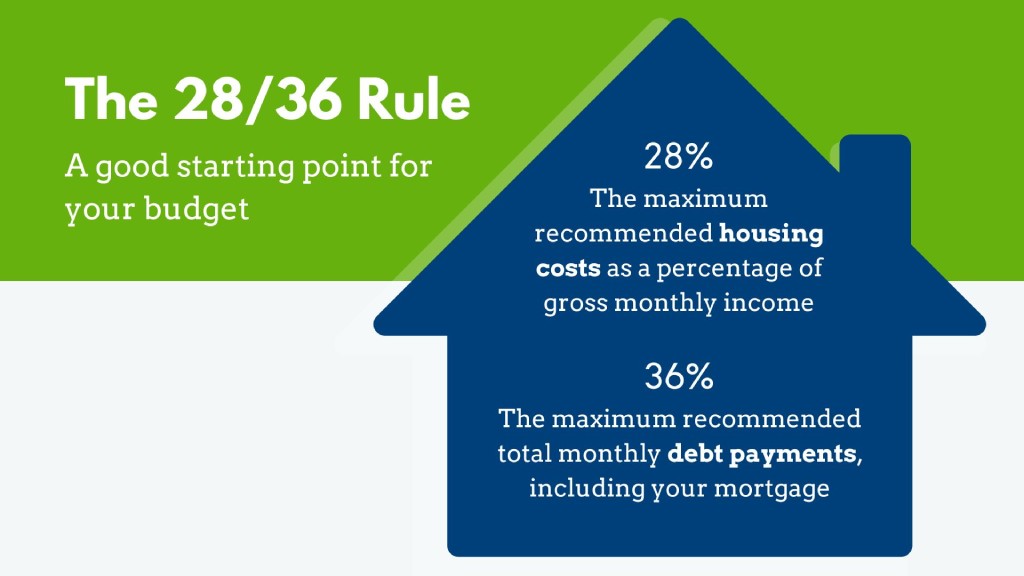
A widely used rule of thumb is the 28/36 rule. It suggests that your monthly housing costs, including your mortgage payment, property taxes, and insurance, should not exceed 28% of your gross monthly income. Your total debt payments, including housing plus any car loans, student loans, or credit card minimums, should not exceed 36% of your gross monthly income. These are general guidelines rather than hard rules, but they provide a useful starting point.
.jpg)
Budgeting for Your Home Loan in Chattanooga
A mortgage payment is just one piece of your monthly housing cost. Building a complete budget before you buy helps you avoid surprises and ensures you are prepared for the full financial reality of homeownership.
Here are the key costs to account for beyond your principal and interest payment.
- Property taxes vary by county and municipality throughout the Chattanooga area. Hamilton County's property tax rate is relatively modest compared to national averages, but the exact amount depends on your assessed home value and where the property is located. Your real estate agent or lender can help you estimate this for any specific property you are considering.
- Homeowners insurance is required by lenders and protects your home against damage and liability. The cost depends on the value of the home, its age and construction, its location, and the coverage level you choose. Get quotes from multiple insurers before closing.
- Flood insurance may also be required depending on where your property is located. According to data from First Street Foundation, 41% of properties in Chattanooga are at risk of severe flooding over the next 30 years. Even if flood insurance is not required for your specific property, it may be worth considering depending on where you buy.
- HOA fees apply if you purchase in a community with a homeowners association. These can range from modest to significant depending on the community and what amenities are included. Always ask about HOA fees before making an offer, as they directly affect your monthly cost of ownership.
- Maintenance and repairs are ongoing costs that renters often underestimate when buying for the first time. A common guideline is to budget roughly 1% of your home's value per year for maintenance.
For loan term decisions, a 30-year mortgage spreads payments out over a longer period, resulting in a lower monthly payment but more total interest paid over the life of the loan. A 15-year mortgage carries a higher monthly payment but builds equity much faster and costs significantly less in total interest. The right choice depends on your cash flow needs and your long-term financial picture.
Home Loan CalculatorCalculate your monthly mortgage payment and expenses to build a realistic budget and make more informed financial decisions. |
|

Affordable Home Loans in Chattanooga
Affordability means something different to every buyer. For some, it means minimizing the monthly payment. For others, it means getting into a home with the least amount of cash upfront. Either way, there are great tools and programs available to Chattanooga buyers that can make a significant difference.
Down payment assistance programs can help bridge the gap between your savings and what you need to close. These programs are typically offered through state housing agencies, local nonprofits, or employer-sponsored programs. Some are grants that do not need to be repaid. Others are second loans with deferred or forgiven terms. Your lender should be able to tell you which programs you qualify for based on your income, location, and the home you are purchasing.
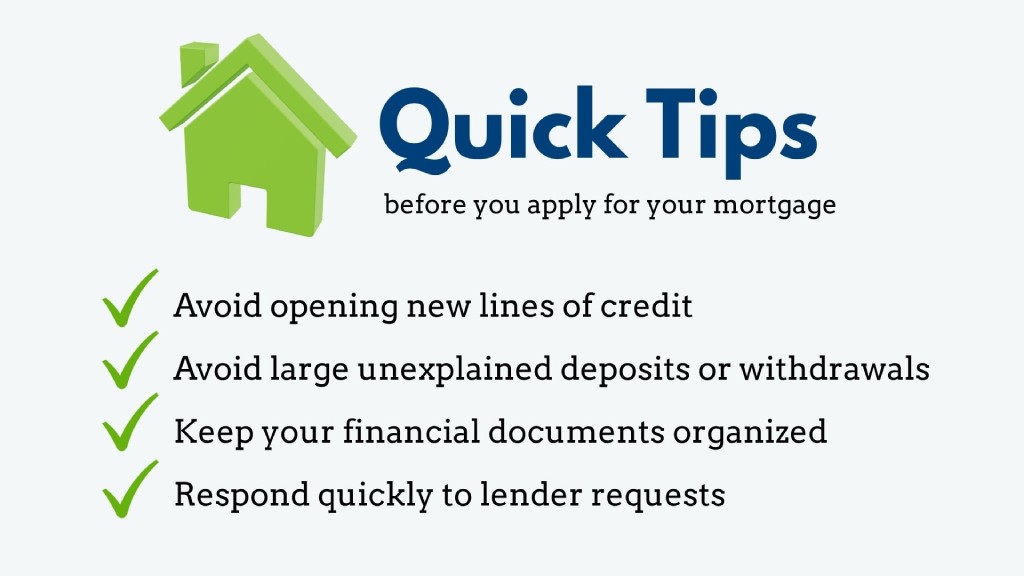
Beyond the loan itself, keeping your overall debt low before applying improves both what you qualify for and what rate you receive. Paying down high-interest credit card balances, avoiding new debt in the months before applying, and checking your credit report for errors are all steps that cost nothing but can meaningfully improve your financial position when it matters most.
 (1) (1).jpg)
Ready to buy a home?
Scenic Community Credit Union offers competitive mortgage rates, an easy application process, and local experts who support you from pre-qualification through closing.
Homebuying and Approval Process
Understanding the mortgage process before you start takes a lot of the anxiety out of it. Each step has a purpose, and knowing what to expect at each stage helps you stay organized, respond quickly when your lender needs something, and keep your closing on track.
Credit Union Mortgage Application Process
Here is how the mortgage process works from start to finish.
Step 1: Pre-Qualification
Pre-qualification is the starting point. It gives you and your lender a general picture of what you may be able to borrow based on your income, debts, and credit profile. It does not lock you into anything and typically does not require a hard credit pull, which means it will not affect your credit score. Pre-qualification gives you a realistic price range to shop within and signals to sellers that you are a serious buyer.
Step 2: Pre-Approval
Pre-approval goes a step further than pre-qualification. It involves submitting documentation and going through a more formal review of your finances. A pre-approval letter from a lender tells sellers you have been vetted and are likely to close, which can give you a meaningful edge in a competitive situation.
In a market like Chattanooga where some homes are still attracting multiple offers, a pre-approval letter can be the difference between getting the home and losing it.
Step 3: Full Application
Once you have found a home and are ready to move forward, you will complete a full mortgage application. This involves providing detailed documentation about your finances, employment, and the property you intend to purchase. Your loan officer will guide you through exactly what is needed.
Step 4: Processing
After your application is submitted, it moves into processing. Your lender will verify the information you provided, order an appraisal of the property to confirm its value, and gather everything the underwriter will need to make a decision.
Step 5: Underwriting
Underwriting is the formal review of your loan. The underwriter evaluates your creditworthiness, the value of the property, and whether the loan meets all applicable guidelines. This is the stage where additional documentation requests are most likely to come up. Responding to any requests quickly helps keep things on schedule.
Step 6: Closing
Once the loan is approved, you move to closing. You will review and sign the final loan documents, pay your closing costs and any remaining down payment funds, and receive the keys. The typical timeline from application to closing is 30 to 45 days, though delays can occur if documentation is incomplete, if the appraisal comes in lower than expected, or if issues arise during the title search.
What Do I Need for a Credit Union Home Loan Application?
Coming to your mortgage application prepared saves time and reduces back-and-forth during processing. While every situation is a little different, here is what most buyers will need to have ready.
Identification: A government-issued photo ID such as a driver's license or passport.
Proof of Income: Recent pay stubs covering the last 30 days. W-2 forms from the past two years. Federal tax returns from the past two years, especially if you are self-employed or have variable income. If you receive income beyond a traditional salary, such as rental income, freelance work, or investments, documentation for those sources will be needed as well.
Employment Verification: Your lender will verify your current employment, including your employer's name, your position, and your tenure. A consistent employment history in the same field is viewed favorably by underwriters.
Bank and Asset Statements: Statements from your checking, savings, and investment accounts covering the past two to three months. These confirm you have the funds available for your down payment and closing costs and that those funds are not borrowed.
Credit Authorization: Your lender will pull your credit report as part of the application. Most mortgage lenders prefer a minimum credit score of 620 for conventional loans, though FHA loans may offer flexibility below that threshold depending on overall financial circumstances.
Property Information: Once you are under contract on a home, you will provide the purchase agreement and relevant property details. The appraisal ordered during processing will independently confirm the home's value.
Frequently Asked Questions About Home Buying in Chattanooga
What credit score do I need to qualify for a mortgage? Most conventional lenders prefer a minimum credit score of 620. FHA loans may allow for lower scores depending on the lender and your overall financial profile. The higher your credit score, the better the rate you are likely to qualify for, so it is worth taking steps to improve your score before applying if you have time.
What is the difference between a fixed-rate and an adjustable-rate mortgage? A fixed-rate mortgage locks in your interest rate for the life of the loan, so your principal and interest payment never changes. An adjustable-rate mortgage starts with a lower fixed rate for an initial period and then adjusts periodically based on market conditions. Fixed-rate loans offer predictability. ARMs offer a lower rate upfront with the trade-off of future uncertainty.
How long does it take to close on a mortgage? The typical timeline is 30 to 45 days from application to closing. Delays can occur if documentation is incomplete, if the appraisal comes in lower than expected, or if there are issues with the title search. Staying responsive and organized throughout the process is the best way to keep things on track.
What is private mortgage insurance, and do I need it? Private mortgage insurance, or PMI, protects the lender if you default on a conventional loan. It is typically required when your down payment is less than 20% of the purchase price. Once you reach 20% equity in your home, you can request to have PMI removed.
What qualifies as a first-time homebuyer? Anyone making their very first home purchase qualifies as a first-time homebuyer. You may also qualify if you have not owned a home within the last three years, even if you have owned property in the past.
How do I get pre-qualified for a mortgage? Contact a lender directly and provide basic information about your income, debts, and assets. Most lenders can complete a pre-qualification quickly, often the same day. For a stronger position when making offers, move on to a full pre-approval, which involves submitting documentation and going through a more formal review.
What are closing costs, and how much are they? Closing costs cover items like loan processing and administrative fees, title or legal services, and property-related taxes and prepaid items like homeowners insurance and prepaid interest. They typically range between 3% and 6% of your loan amount. Your lender is required to provide a Loan Estimate within three business days of receiving your application, which will outline your estimated closing costs in detail.
Ready to Start Your Home Buying Journey?
Chattanooga is a city worth buying into. The market is active, with 779 homes sold in May 2026, up 7% from the prior year, and a median sale price that sits roughly 17% below the national average. With a range of neighborhoods at different price points and a steady flow of new listings, buyers have real options here.
When you are ready to take the next step, Scenic Community Credit Union is here to help. As a not-for-profit, member-owned institution with deep roots in this community, we offer competitive mortgage rates, a simplified application process, and local loan officers who will work with you personally from pre-qualification through closing.
Ready to buy a home?
Scenic Community Credit Union offers competitive mortgage rates, an easy application process, and local experts who support you from pre-qualification through closing.